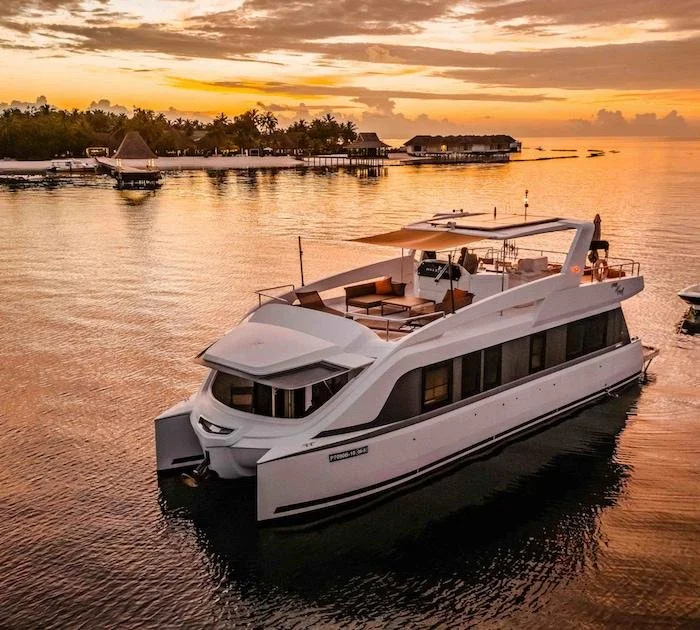
What Luxury Resorts Need to Know Before Deploying Electric Marine Transportation
By Mathew Dadesky, Founder & Chief Revenue Officer, Sales Compass Consulting
Luxury resorts spend enormous amounts of money creating an exceptional guest experience.
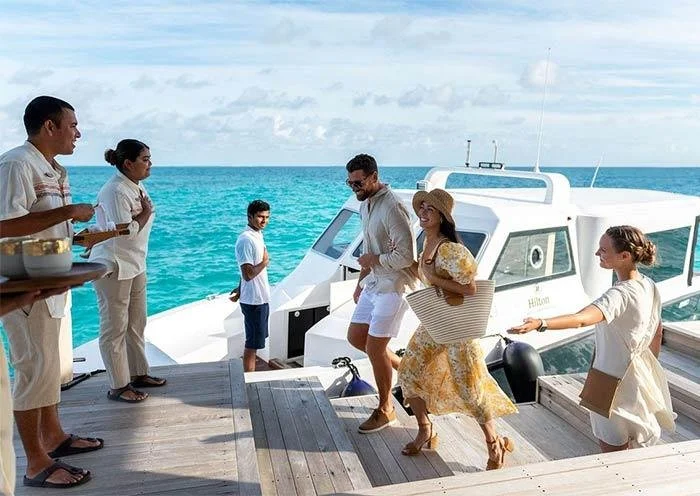
The arrival.
The villa.
The restaurant.
The spa.
The service.
The view.
But for many waterfront and island resorts, one of the most important moments happens before the guest ever reaches the property.
The transfer.
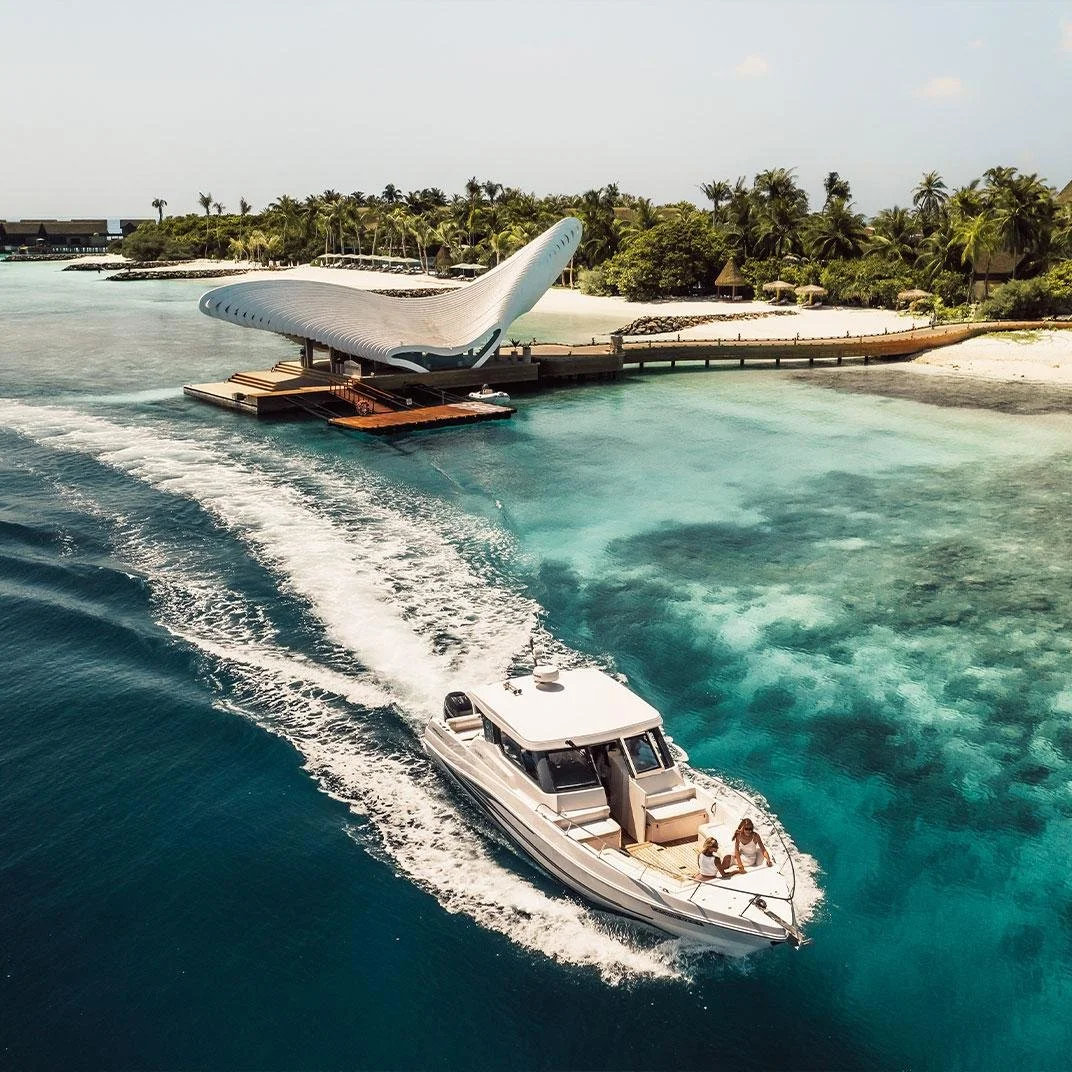
A guest may spend $2,000 a night for an extraordinary villa, then arrive by a loud, fuel powered transfer boat that produces exhaust, vibration and noise.
That experience is increasingly out of step with the product the resort is selling.
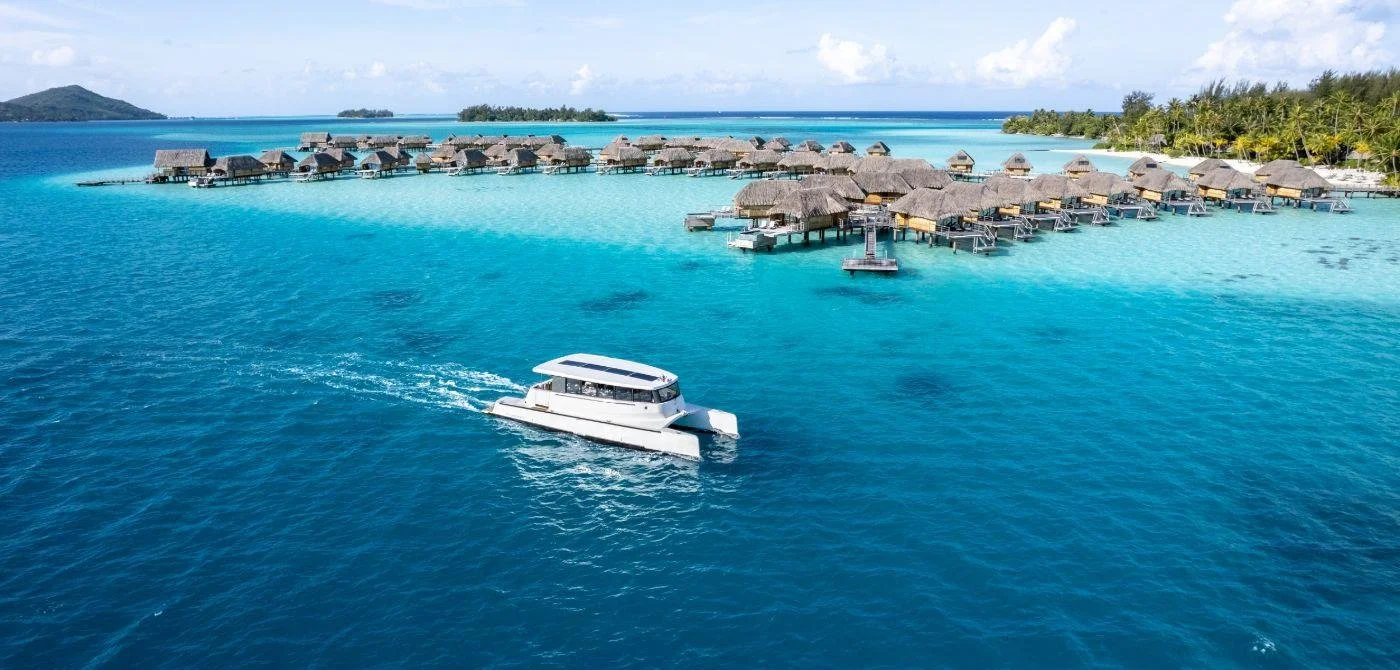
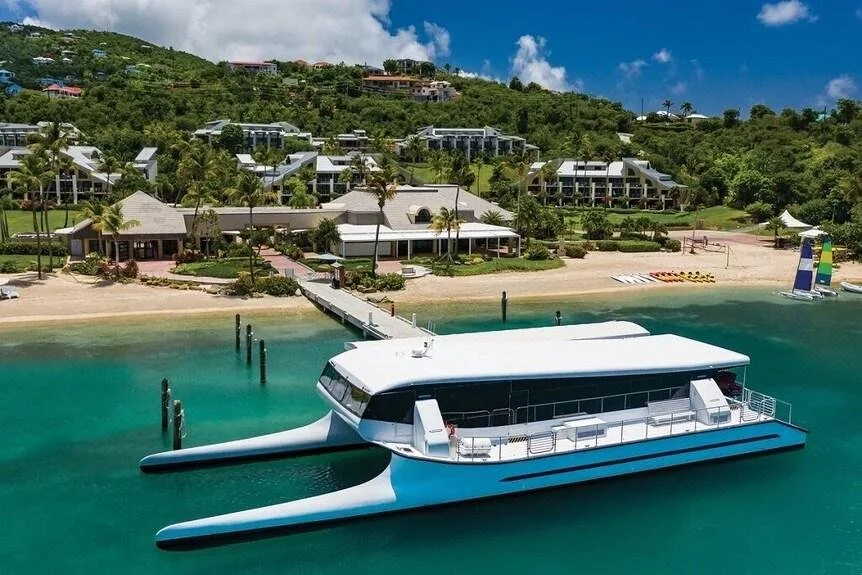
Electric marine transportation offers a compelling alternative.
But buying an electric boat is not the strategy.
Deploying the right mobility system is.
That distinction matters.
The opportunity is bigger than replacing diesel
Electric marine transportation is often presented as a sustainability initiative.
That is only part of the opportunity.
For luxury resorts, the better question is:
Can marine electrification improve the guest experience while making the operation more efficient?
In the right application, the answer can be yes.
Electric propulsion can deliver quieter operation, reduced local emissions, less vibration and a more refined onboard experience.
That is the model I believe luxury hospitality should be looking at.
Not:
"How do we become greener?"
But:
"How do we create a better transportation experience while improving the economics of the operation?"
1. Start with the route, not the boat
This is where many projects go wrong.
A resort sees an attractive electric vessel and starts asking:
"How much does it cost?"
The first question should be:
"What does our route actually require?"
Before selecting a vessel, understand:
• Distance
• Typical operating speed
• Sea state
• Passenger volume
• Number of daily trips
• Peak season demand
• Weather limitations
• Docking conditions
• Charging availability
• Turnaround time
• Required reserve range
• Crew requirements
A boat that works beautifully on a short, protected resort route may be completely unsuitable for an exposed coastal transfer.
The route determines the vessel.
Not the other way around.
2. Range is only one part of the equation
Electric vessel discussions often become obsessed with range.
Range matters.
But operational range is more complicated than the number printed in a brochure.
A resort needs to understand how the vessel performs under its actual operating conditions.
Consider:
Passenger load
Speed
Wind
Waves
Temperature
Battery reserve
Charging frequency
Route variability
A vessel with an impressive theoretical range may not be the best choice for a demanding commercial route.
The correct question is:
Can this vessel reliably complete our required operating cycle with an appropriate safety and energy reserve?
That is a commercial question, not simply a technical one.
3. Charging infrastructure can make or break the project
The vessel is only one component.
The infrastructure is the other.
A resort needs to understand:
Where will the vessel charge?
How much power is available?
How quickly does the vessel need to recharge?
Can the existing electrical infrastructure support it?
Will additional transformers or switchgear be required?
What happens during peak operations?
What happens if multiple vessels need to charge simultaneously?
These questions should be answered before procurement.
Marine charging infrastructure is also developing rapidly. Companies such as Aqua superPower are building dedicated marine charging networks designed for marinas and destinations, while new projects are pairing electric vessels with renewable generation and energy storage. (Aqua superPower)
For remote island resorts, this becomes even more interesting.
The future may not simply be:
electric boat + grid
It could become:
electric boat + battery storage + solar + marine charging infrastructure.
That changes the entire energy equation.
4. The guest experience should be part of the business case
This is where luxury resorts have a unique advantage.
Electric propulsion isn't only about emissions.
It can change how the journey feels.
Less engine noise.
Less vibration.
No diesel exhaust surrounding passengers.
A smoother ride.
A quieter conversation.
A more immersive connection with the destination.
That matters.
A recent example comes from the luxury resort market in the Maldives, where electric hydrofoiling resort transfers are being positioned as both a transportation solution and part of the guest experience.
And the trend extends beyond boats.
Luxury properties are increasingly using electric transportation across their operations. Four Seasons Resort and Residences AMAALA, for example, uses electric vehicles for guest transfers and resort transportation as part of a broader sustainability strategy. (Four Seasons)
The lesson is simple:
Transportation can be part of the luxury product.
5. Calculate the economics properly
The purchase price of the vessel is not the business case.
A proper analysis should consider:
Capital expenditure
Vessel
Charging equipment
Electrical upgrades
Dock infrastructure
Spare equipment
Installation
Operating expenditure
Energy
Fuel
Maintenance
Crew
Insurance
Downtime
Replacement components
Commercial value
Guest experience
Transfer capacity
Brand positioning
Potential premium experiences
Reduced fuel exposure
Potential energy savings
Sustainability credentials
The comparison should therefore be:
Total cost of ownership over the operating life
versus
The existing transportation model.
Not:
Electric boat price vs diesel boat price.
That distinction can materially change the investment decision.
6. Don't assume every resort should electrify everything
This is important.
Electric marine transportation is not automatically the right solution for every route.
A responsible assessment should determine:
Where electric works.
Where hybrid works.
Where conventional propulsion may still be required.
Where the route itself should be redesigned.
The goal isn't to electrify a fleet because electrification sounds good.
The goal is to build the best transportation system for the destination.
Sometimes that means one electric vessel.
Sometimes it means an entire fleet.
Sometimes it means changing the operating schedule.
Sometimes it means upgrading infrastructure first.
And sometimes the right answer is:
Not yet.
That is exactly why independent commercial assessment matters.
7. Think beyond the vessel
The most sophisticated resort mobility projects will not treat boats as standalone assets.
They will treat mobility as part of the destination.
Imagine a guest journey:
Airport
↓
Private transfer
↓
Resort arrival
↓
Electric marine transfer
↓
Island excursion
↓
Private yacht experience
↓
Return to resort
Every element can become part of a connected premium mobility ecosystem.
The boat stops being simply a boat.
It becomes part of the hospitality experience.
That is a much bigger opportunity.
8. Choose the technology partner carefully
The right manufacturer is not necessarily the company with the most impressive specifications.
Evaluate:
Product maturity
Commercial track record
After sales support
Parts availability
Service network
Battery warranty
Charging compatibility
Regulatory compliance
Delivery timeline
Crew training
Long term support
Financial stability of the manufacturer
This is especially important for remote destinations.
A resort cannot afford to have a vessel sitting idle because a specialized component takes months to arrive.
Reliability is part of luxury.
9. Build the deployment roadmap before signing the purchase order
A strong project should move through a structured process.
Phase 1: Assess
Understand the routes, demand, operating environment and existing fleet.
Phase 2: Validate
Model the economics, infrastructure requirements and operational feasibility.
Phase 3: Select
Evaluate vessels, technology providers and infrastructure partners.
Phase 4: Structure
Develop the commercial, financing, partnership and operating model.
Phase 5: Deploy
Implement vessels, charging infrastructure, training and operational systems.
Phase 6: Commercialize
Integrate the mobility experience into the resort's guest journey and revenue strategy.
The technology is only the beginning.
The commercial deployment is where the value is created.
The future of resort transportation is becoming part of the luxury experience
The best luxury resorts have always understood that the guest experience begins before check in.
Today, that increasingly means rethinking how guests move.
Electric marine transportation creates an opportunity to make those journeys:
quieter
cleaner
more comfortable
more efficient
and potentially more memorable.
But successful deployment requires more than purchasing an electric vessel.
It requires understanding the route, infrastructure, economics, technology, operations and guest experience as one connected system.
That is where the opportunity becomes much bigger than electrification.
It becomes mobility strategy.
How Sales Compass Consulting helps
Sales Compass Consulting helps luxury resorts, hospitality groups, waterfront destinations, municipalities and mobility companies evaluate and commercialize emerging marine and air mobility solutions.
Our work can include:
Route & feasibility assessment
Technology and OEM evaluation
Infrastructure strategy
Commercial modeling
Strategic partnerships
Market entry
Deployment planning
Commercialization
The objective is straightforward:
Move from an interesting technology to a commercially viable mobility solution.
Interested in evaluating a marine mobility opportunity?
Contact Mathew Dadesky at Sales Compass Consulting.
Sources & Further Reading
Aqua superPower
Marine fast charging infrastructure and current electrification projects. Aqua superPower
The Maritime Executive
Case study on Vejrø Resort's hydrofoiling electric vessel in Denmark. Luxury Resort Gets Denmark's First Hydrofoiling Electric Boat
Red Sea Global
Destination mobility and off grid EV charging infrastructure at The Red Sea. Red Sea Global builds largest off grid EV charging network in Saudi Arabia
Maserati / Vita Power
Example of luxury positioning around all electric marine transportation. Maserati TRIDENTE, a luxury all electric powerboat