How I Developed a $90M+ International Maritime Opportunity
From an operational requirement to a multi year commercial opportunity
The Opportunity
A large international maritime opportunity doesn’t start as a regular sales lead.
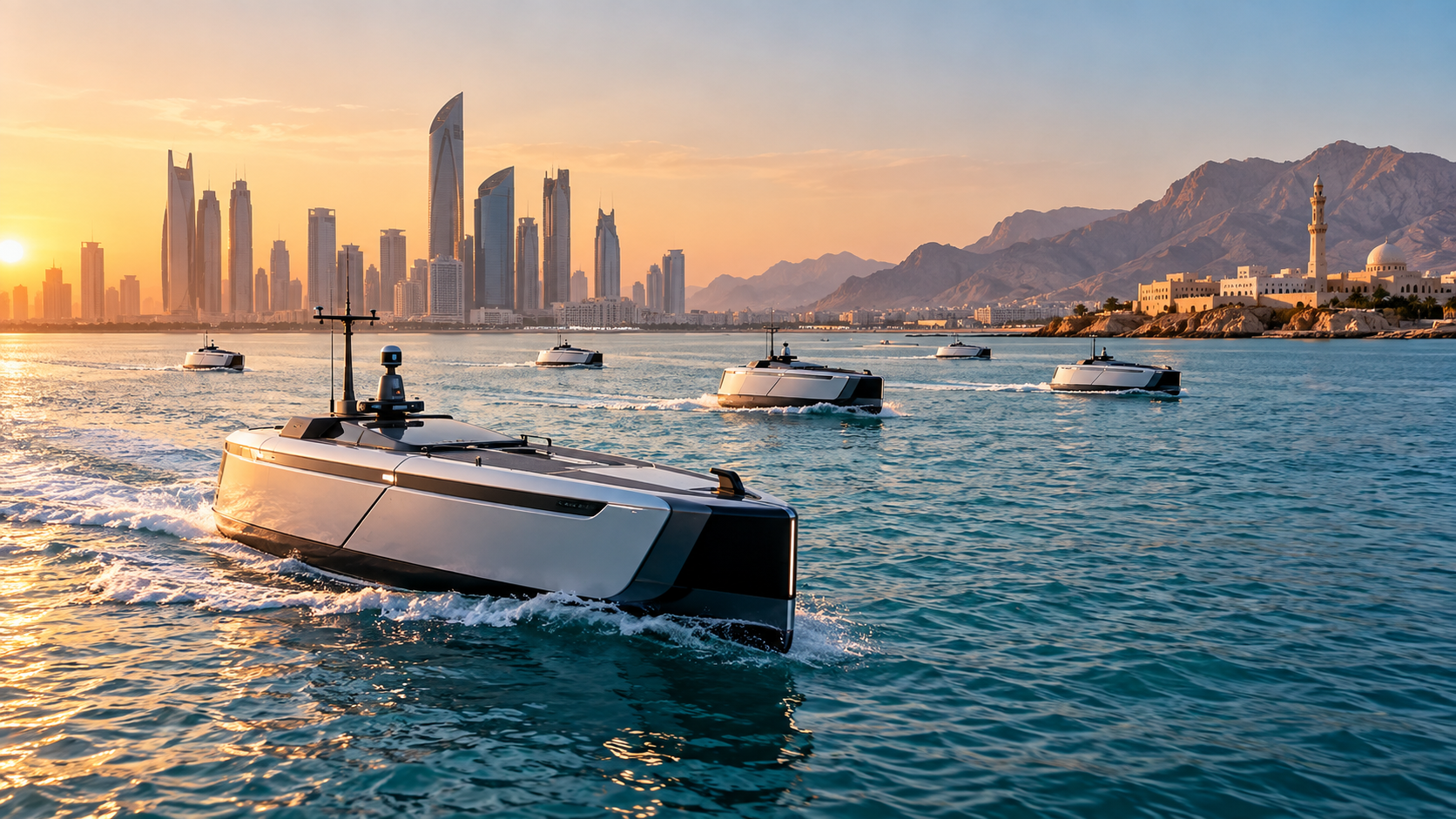
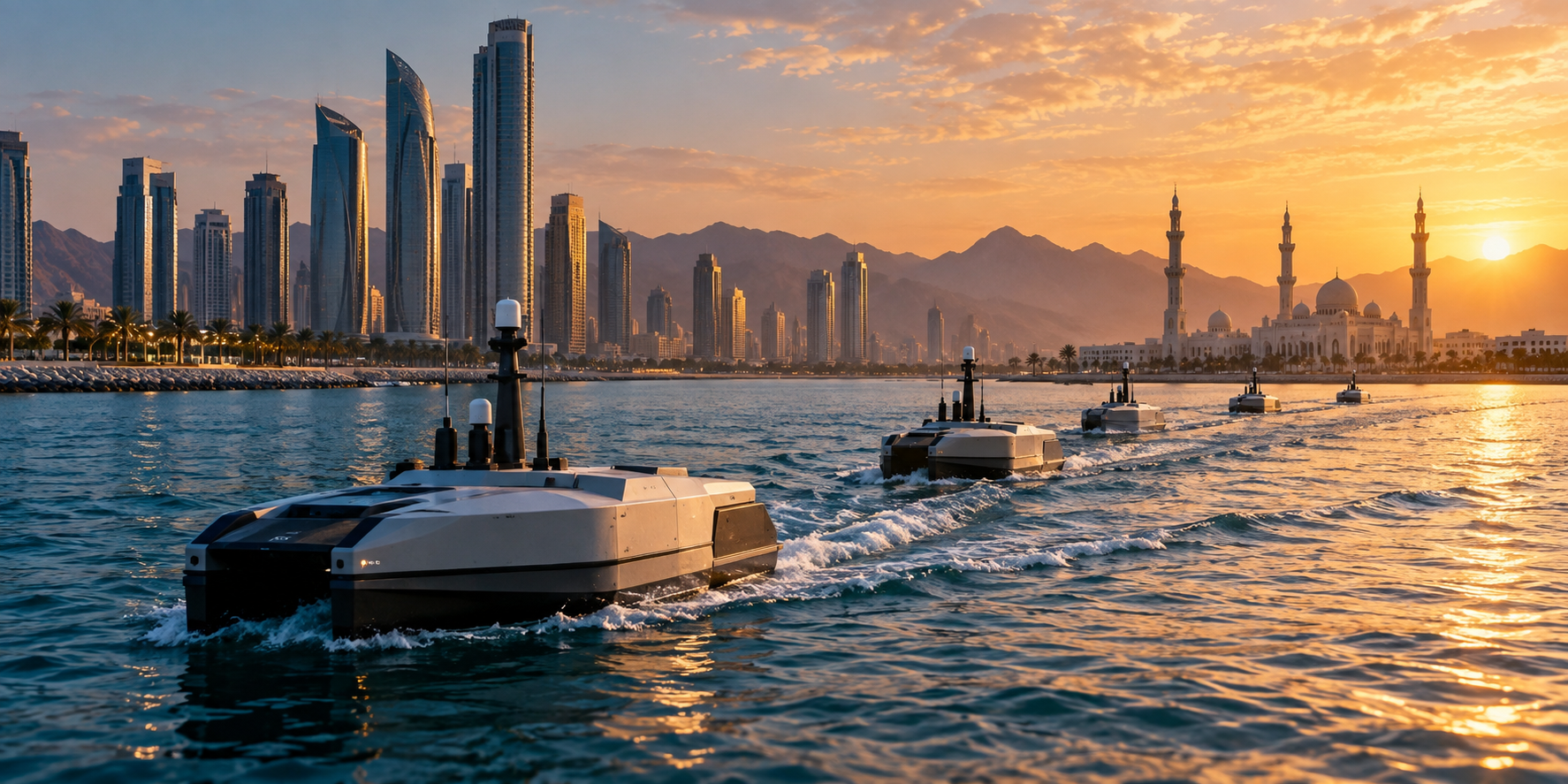
In this case, it started with an operational requirement covering the UAE and Oman, with the potential need for approximately 900 unmanned vessels over a six year production and delivery period.
The potential value of the opportunity was over $90M.
My role was to understand the requirement, identify the stakeholders involved, develop the commercial pathway and build the relationships necessary to move the opportunity toward a potential multi year transaction.
This was more than just selling vessels.
It was about turning an evolving requirement into a structured commercial opportunity.
The Challenge
The opportunity involved multiple stakeholders, an international operating environment, significant production requirements and a multi year delivery horizon.
The challenge wasn't simply finding a buyer.
It was connecting:
Requirement → Technology → Production → Stakeholders → Procurement → Deployment
into a commercially viable pathway.
Large maritime opportunities often involve multiple organizations with different priorities, decision making structures and timelines.
The commercial challenge was understanding how those pieces fit together.
What I Actually Did
1. Identified the Requirement
The first step was understanding the underlying operational need.
Rather than starting with a product and looking for someone to buy it, the focus was on understanding the requirement, the potential scale and what a successful deployment would need to look like.
This helped define the opportunity around the customer's requirements rather than around a specific product.
2. Mapped the Stakeholders
With an opportunity of this scale, identifying the right stakeholders was critical.
I worked to understand who was involved in the opportunity, who influenced the decision, who controlled the commercial process and which organizations needed to be aligned to move it forward.
The objective was to create a clear picture of the decision making environment rather than relying on a single point of contact.
3. Built the Commercial Pathway
The next step was connecting the operational requirement with the capabilities needed to fulfill it.
That meant looking beyond the initial transaction and considering:
Production capability
Vessel requirements
Delivery timelines
Geographic scope
Commercial structure
Stakeholder alignment
Long term deployment requirements
The opportunity had to make sense not only as a sale, but as a scalable multi year program.
4. Developed the Relationships
Complex international opportunities are built through relationships.
I developed relationships across the relevant stakeholders and worked to establish the credibility and alignment necessary to advance the opportunity.
The goal was to move the conversation from an initial requirement toward a structured commercial opportunity.
5. Created the Path to Scale
One of the most important aspects of the opportunity was its potential scale.
Rather than treating the requirement as an individual vessel transaction, the opportunity was developed around a potential multi year production and delivery program.
That changed the commercial conversation from:
“Can we sell a vessel?”
to:
“Can we build a commercial pathway capable of supporting a 900 vessel requirement?”
That distinction matters when selling complex maritime technology.
The Result
$90M+
Potential multi year opportunity
~900
Unmanned vessels
6 YEARS
Potential production and delivery horizon
UAE + OMAN
International scope
The result was the development of a $90M+ potential international maritime opportunity with a significant multi year deployment requirement.
More importantly, the experience demonstrated how a complex maritime requirement can be developed into a commercial opportunity by aligning the market, stakeholders, technology and delivery pathway.
What This Taught Me
Large mobility opportunities are rarely created by sales outreach alone.
They are developed by understanding the problem deeply enough to identify where the commercial opportunity actually sits.
The process often looks like:
Identify the requirement
↓
Understand the market
↓
Map the stakeholders
↓
Identify the right technology and partners
↓
Build the commercial model
↓
Develop the relationships
↓
Create the path to deployment
The technology matters.
But the commercial pathway matters just as much.
The Commercialization Lesson
Every complex mobility opportunity eventually has to answer six questions:
Market
Where does the opportunity exist?
Customer
Who has the problem and who controls the decision?
Business Model
How does the solution create economic value?
Partnerships
Who needs to be involved to make the opportunity possible?
Sales
How does the opportunity move from interest to transaction?
Deployment
What needs to happen for the solution to operate commercially?
When those pieces align, technology can move from an interesting concept to a viable commercial opportunity.
From Maritime Opportunities to Mobility Commercialization
This experience shaped the way I approach emerging mobility today.
Whether the technology is an electric vessel, autonomous marine system, seaglider, eVTOL or another emerging transportation solution, the commercial questions remain similar:
Where should it be deployed?
Who should buy or operate it?
What problem does it solve?
Which partners are required?
Does the economics work?
What does the path to deployment look like?
Those questions need to be answered before significant resources are committed to a new market.
Who This Work Is For
This approach is relevant to organizations evaluating complex marine and transportation opportunities, including:
Electric and advanced marine technology companies
Emerging air mobility companies
Ferry and transportation operators
Cruise and destination operators
Resorts and island destinations
Municipalities and transportation authorities
Strategic technology and infrastructure partners
The common challenge is the same:
How do you turn a promising technology or operational requirement into a commercially viable opportunity?
Start With the Commercial Question
The most important lesson from this opportunity wasn't the size of the potential transaction.
It was the process required to create it.
A $90M+ opportunity doesn't appear simply because the technology exists.
It requires identifying the right market, understanding the customer, aligning the stakeholders, developing the right partnerships and creating a realistic path from requirement to deployment.
That's the work that sits between technology and commercial reality.
Sales Compass Consulting
Today, I apply the same principles to emerging marine and air mobility through commercialization strategy, market entry, strategic partnerships, sales and business development, commercial feasibility and deployment strategy.
If you're evaluating a new mobility market, developing an emerging transportation technology or looking for the commercial pathway to deployment, start with the commercial question.